Your cart is currently empty!

News
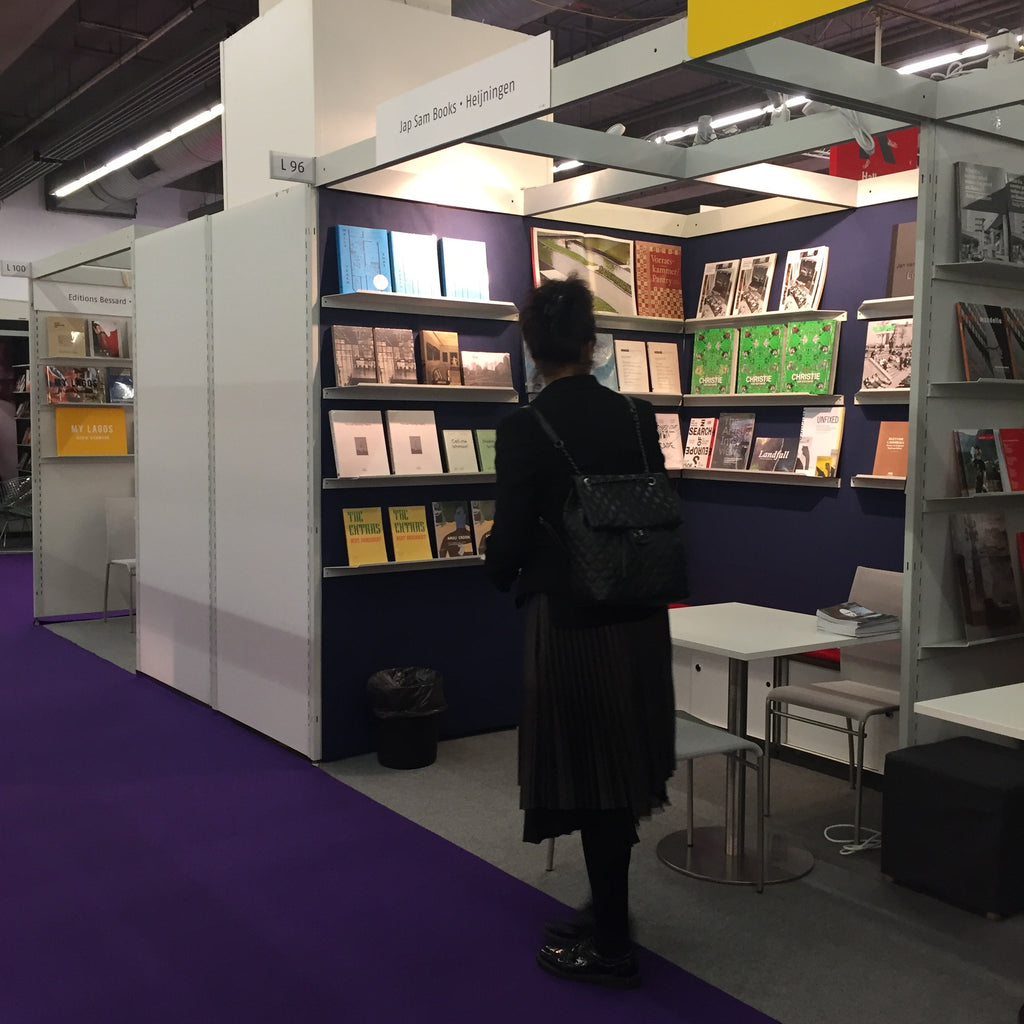

In Memoriam: Peter Otto (1955-2017)

It is with great sadness that we announce the death on September 8th, 2017 of Dutch artist, sculptor and writer Peter Otto. Our thoughts are with his wife and children. His body of work, his publications will always remain. He will be dearly missed.
Continue reading08.09.2017 Architecture Night (N/a), 08-17.09.2017 Festival of Architecture 2017
From 8 to 17 September 2017, the Flanders Architecture Institute will be presenting the first edition of the Festival of Architecture (F/a). For a ten-day period, visitors will be able to discover architecture in all its guises.
Continue reading8-10.09.2017 Wiels Art Book Fair
Jap Sam Books will attend the Wiels Art Book Fair on Saturday 9 and Sunday 10 September. Meet us, and take a look at our book table with new releases and backlist.
Continue reading13.09.2017 Book launch Home Reassembled. On Art, Destruction & Belonging
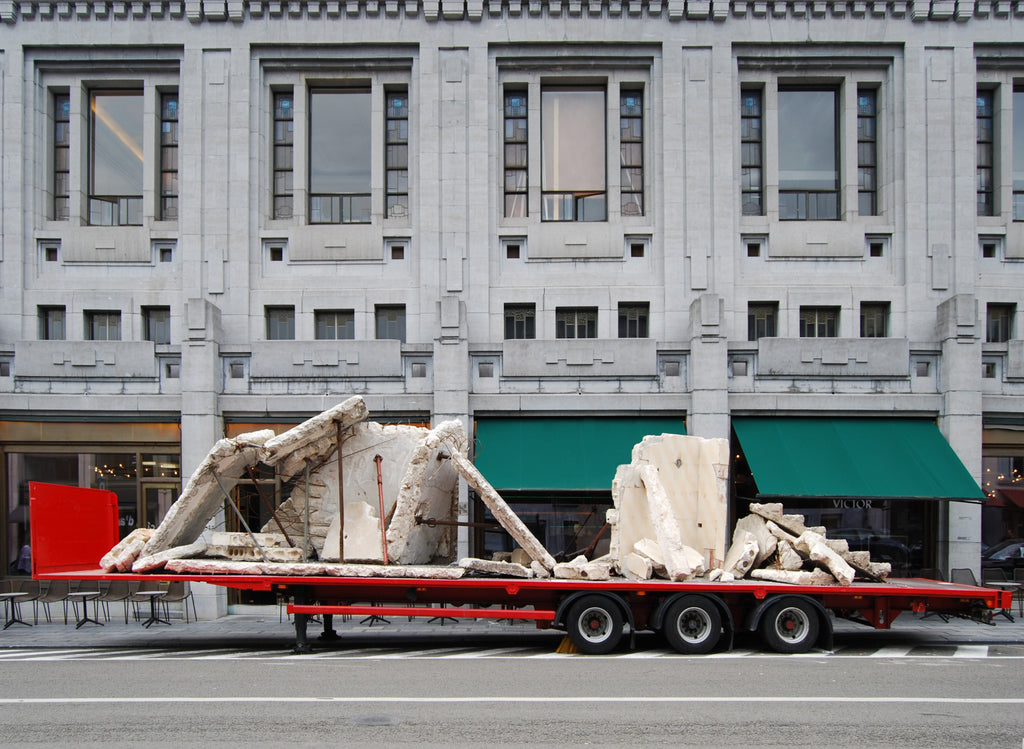
This autumn, the Finnish Cultural Institute for the Benelux and publishing house Jap Sam Books will launch their joint essay collection Home Reassembled. On Art, Destruction & Belonging.
Continue readingCharlotte Köhler Prijs 2017
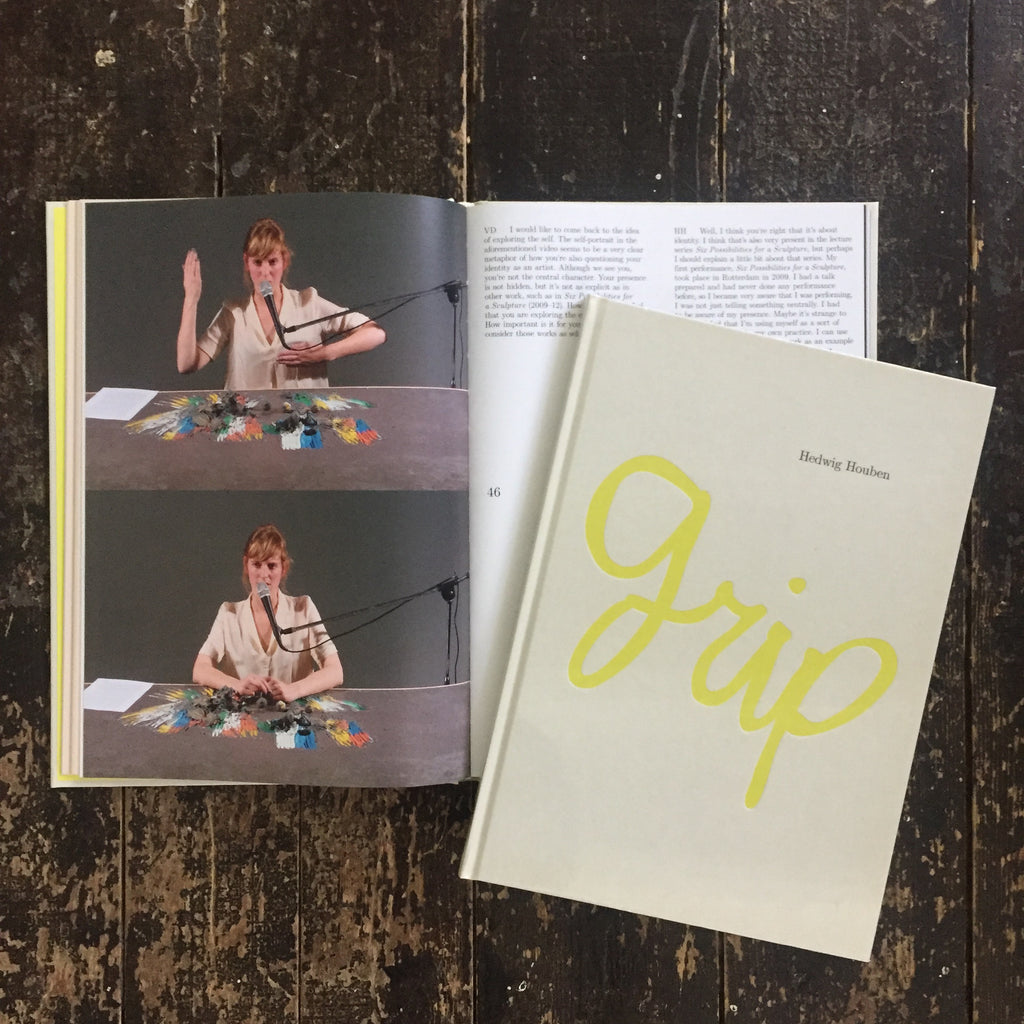
On July 6th, artist Hedwig Houben received the Charlotte Köhler Prijs 2017, Prins Bernhard Cultuurfonds.
Continue readingBook launch DIY Klarenstraat - 20 July, 2017
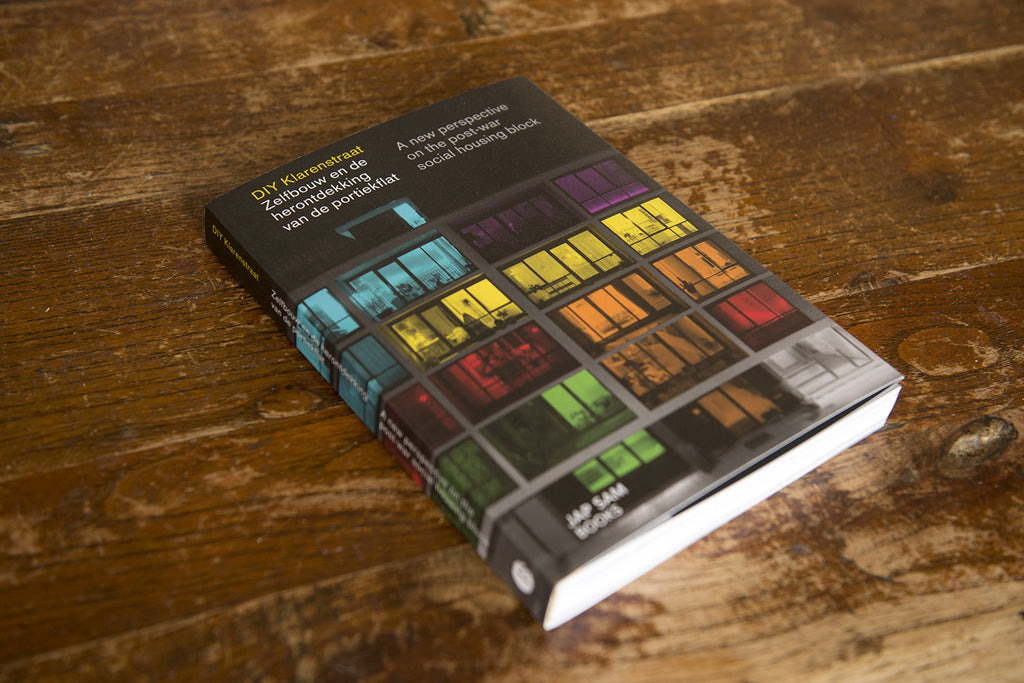
We would like to ask your attention for the book launch of DIY Klarenstraat. A new perspective on the post-war social housing block
The influential architecture critic and professor emiritus Vincent van Rossem considers the U.J. Klarenstraat to be 'the future of urban renewal in Amsterdam'. He is not the only one with this opinion. The very first Do It Yourself walk-up apartment block was nominated for multiple awards. This book is a helping hand to anyone dealing with the transformation of existing real estate, in particular the post-war social housing block.
Continue readingLaunch DEMYSTIFIED by Nick Renshaw at EKWC and Galerie De Witte Voet
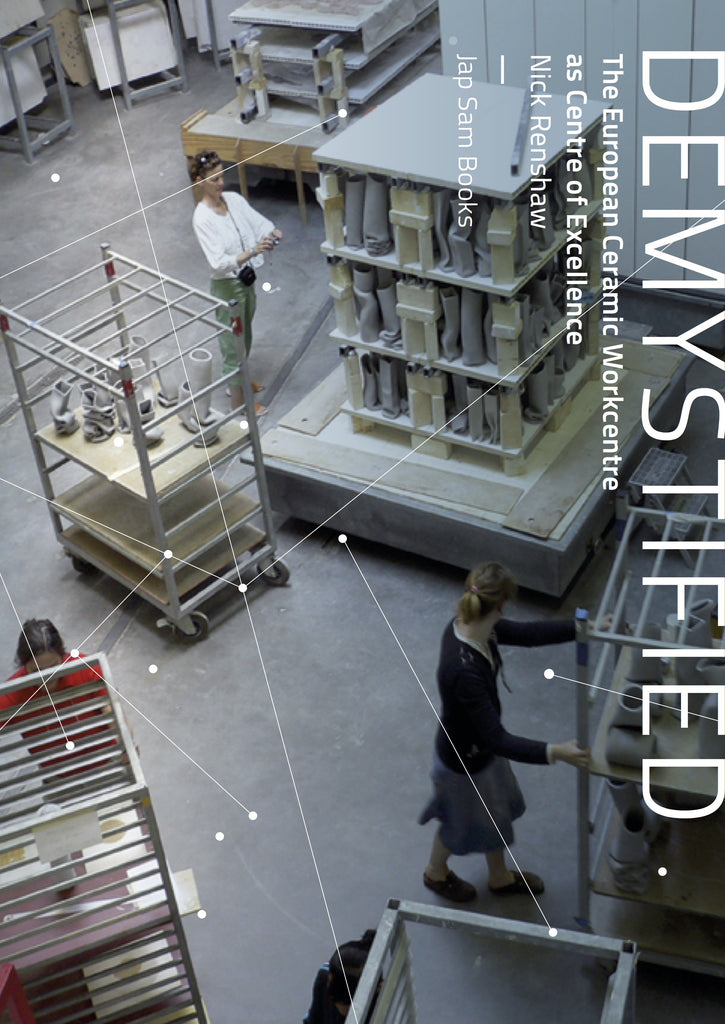
Book launch at EKWC, Oisterwijk, April 30
The director of Sundaymorning@ekwc, the European Ceramic Workcentre, Ranti Tjan, invites you for the book launch of Demystified, the European Ceramic Workcentre as Centre of Excellence by artist and researcher Nick Renshaw.
For the previous three years the author has worked with publisher Eleonoor Jap Sam and designer Montse Hernández i Sala towards realisation of the publication of his thesis (2013).
Book launch Verborgen Landschap
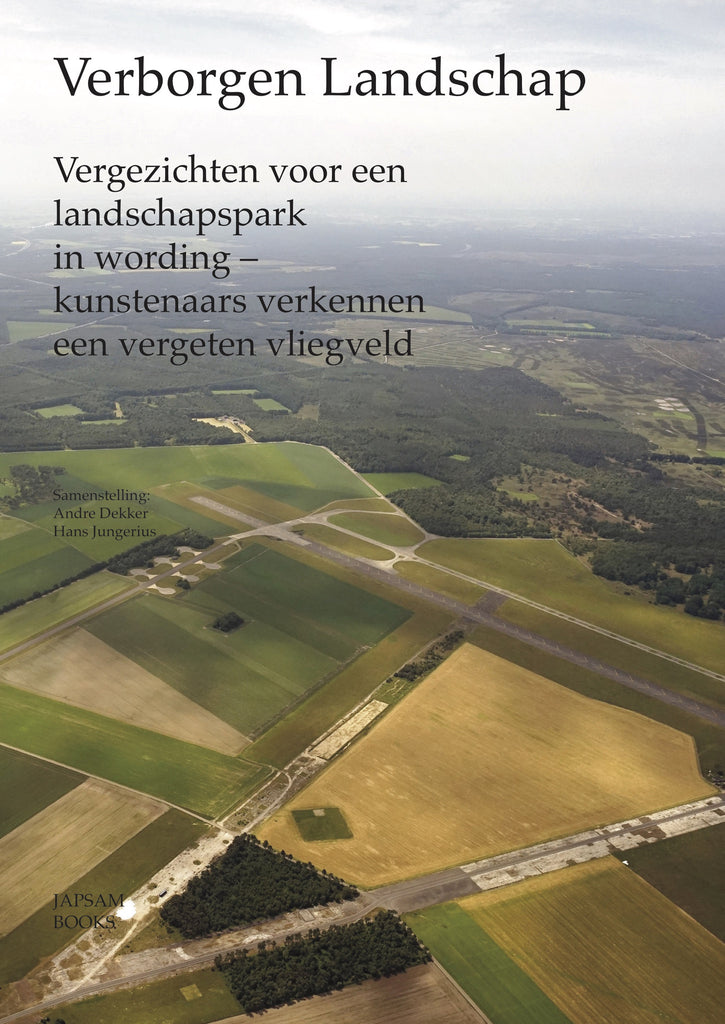
Stichting Verborgen Landschap and Jap Sam Books would like to ask your attention for the book launch of Vergezichten voor een landschapspark in wording - kunstenaars verkennen een vergeten vliegveld
Date: 7 April 2017 in Garage Royal, Buitenplaats Koningsweg 23A, Arnhem
Continue reading
Lecture Mark Pimlott 'We desire a kind of freedom: the public interior as idea and project'
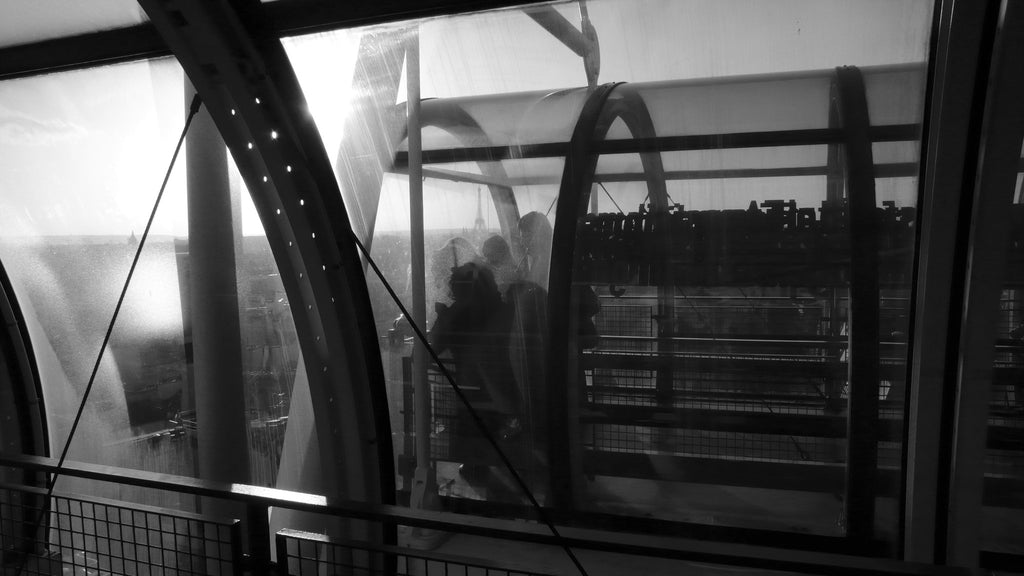
In the West, we operate in a condition of interiority, an elaborate set of arrangements that are reflected in the built environment. These are the physical bases of the social contract, some of whose outcomes we might find unpalatable. There are realms within this condition where people become conscious of themselves in relation to their cities and others; and there are those in which this consciousness is sheltered, accommodated.
The public interior is the pre-eminent public environment in the contemporary city. It is the space that historically and presently frames and situates the public. The public interior is, all too often, an instrument for the inculcation of predictable behaviour: a realm of control geared towards the acceptance of a social, political or economic order, rather than a realm for enfranchisement, association, or political action. Mark Pimlott’s recent book ‘The Public Interior as Idea and Project’ (Jap Sam Books, 2016) looked at a range of possibilities for the public interior that have emerged through time, finding––among the interiors as machines to which we have become supplicants––spaces for the imagination, for heightened consciousness of the self, the other and the world, interiors that offer a kind of freedom. The motifs employed by interiors that encouraged the latter are offered as models for the contemporary condition.
Continue reading